
Are BTUs Really Useful?
It’s elementary, dear Watson. Like many subjects typically taught during your school-age years, you probably have forgotten learning about BTUs or British Thermal Units in your middle or high school science class. Most of us don’t usually encounter BTUs unless we’re comparing the energy output of major appliances, such as wood stoves and gas fireplaces. So, are BTUs really useful?
 What are BTUs?
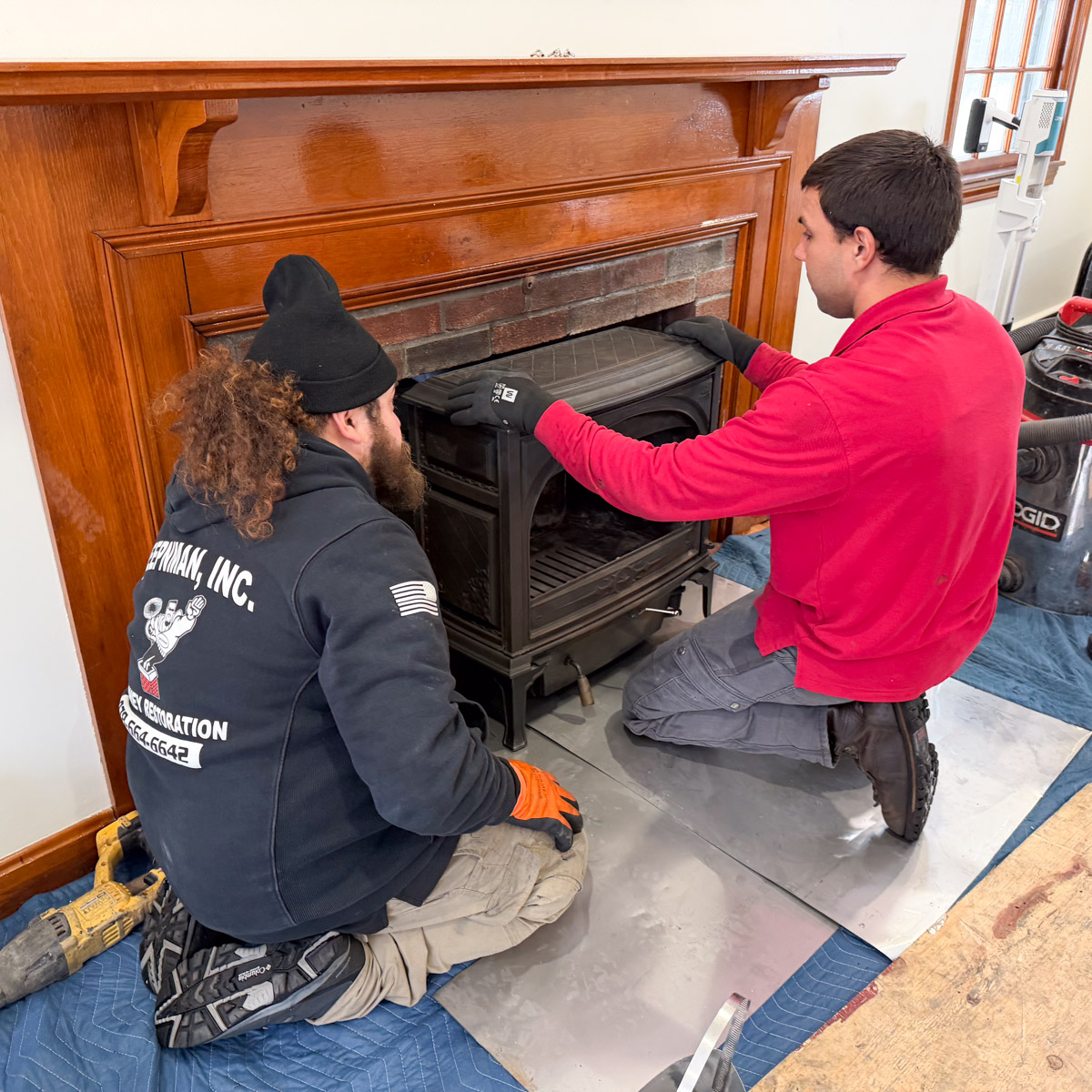
BTUs are an international standard of measure used to determine the power of appliances. In technical terms, one BTU is the amount of heat required to raise the temperature of one pound of water by one degree Fahrenheit. When you see a BTU rating on a fireplace, stove, or furnace, it refers to the unit’s heat output. The higher the BTU rating, the more heat the appliance can produce to warm a room.
Why Do BTUs Matter?
Understanding BTUs can help you avoid buying an appliance that leaves you shivering or wastes your hard-earned money—not too hot, not too cold.
- Too Low: Your furnace or gas stove will struggle to keep up. It might run at full capacity constantly, which increases wear and tear, yet your living room will still feel drafty and chilly.
- Too High: You’ll experience “short-cycling.” The unit will blast the room with heat so quickly that it shuts off before it can properly circulate the air or remove humidity. You’ll find yourself constantly cycling it on and off, which is inefficient and drains the appliance.
How to Calculate BTU Needs
While you should always consult with a certified professional, you can calculate a “ballpark” estimate using a simple math formula. On average, you need about 20 to 30 BTUs per square foot of living space.
- Measure the space: Multiply the room’s length by its width (e.g., a 20×20 room is 400 sq. ft.).
- Consider your climate: Since we live in the chilly Northeast, we usually lean toward the higher end of the scale—roughly 30–40 BTUs per square foot for secondary heating.
- The Calculation: 400 sq. ft. x 35 BTUs = 14,000 BTUs.
Note: You should also consider ceiling height, insulation quality, and the number of windows, as these “heat leaks” can require a higher BTU rating.
BTUs aren’t just a science-class flashback—they are essential to ensuring your fireplace restoration project or new stove installation provides sufficient heat for your living space. By matching the BTU output to your specific room size, you ensure maximum efficiency and a cozier winter.
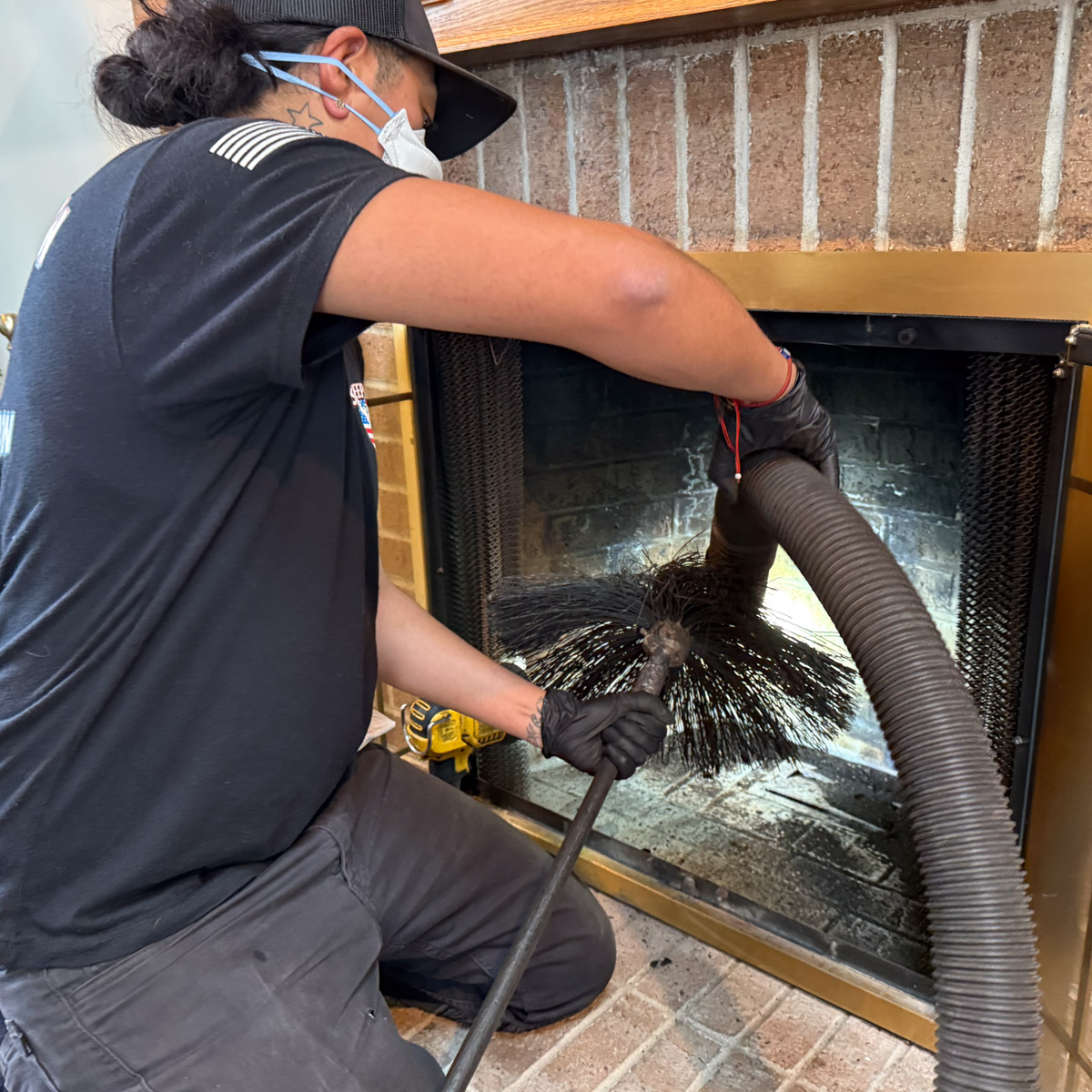 Want to Get More Heat Out of Your Fireplace? Call Sweepnman Today!
Sweepnman is your fireplace and chimney superhero who knows how to get more heat out of your fireplace. From fixing leaky chimneys and drafting issues to masonry repairs and fireplace restoration, our certified professionals can help your family enjoy a warmer, cozier hearth. We proudly serve the North Shore and Merrimack Valley, including North Reading, MA; Lawrence, MA; Middleton, MA; Hudson, NH; Nashua, NH; and Litchfield, NH. Fully insured and bonded for your protection and peace of mind. Call today! Ask about our convenient financing programs!